Why Every Organization Needs a Fire Safety Simulator for Safer Outcomes
A Fire Safety Simulator is no longer a luxury—it’s becoming a necessity for organizations aiming to reduce risks and improve emergency preparedness. Within the first moments of a fire incident, decisions determine outcomes, and simulation-based training ensures those decisions are informed, practiced, and effective.
Understanding the Role of Fire Safety Simulation
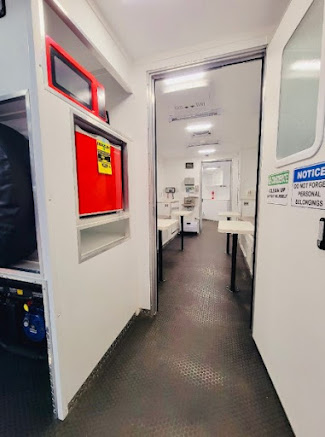
A fire safety simulator recreates
realistic fire scenarios in a controlled, virtual, or physical environment.
Employees can experience emergencies without real danger, allowing them to
practice evacuation procedures, use firefighting equipment, and understand
hazard behavior.
Unlike traditional training
methods, simulations are interactive. They engage participants in
decision-making under pressure, which improves retention and response time
during real incidents.
Why Traditional Training Falls Short
Many organizations rely on basic
fire drills or theoretical sessions. While useful, they often lack realism and
fail to prepare employees for complex situations.
Here’s where simulation stands
out:
- Real-time decision-making practice
- Exposure to varied fire scenarios
- Immediate feedback on actions
- Safe repetition of critical procedures
Without these elements, employees
may panic or respond incorrectly during actual emergencies.

Key Benefits of Using a Fire Safety Simulator
1. Enhanced Preparedness
Simulators help employees
understand how fires spread, how smoke behaves, and how quickly conditions can
change.
2. Improved Response Time
Practicing in simulated
environments builds muscle memory, enabling faster and more confident actions.
3. Risk-Free Learning Environment
Mistakes made during simulation
become valuable lessons without real-world consequences.
4. Customizable Scenarios
Organizations can tailor
simulations based on their infrastructure, industry risks, and operational
challenges.
5. Compliance and Safety Standards
Many regulatory bodies emphasize
practical training. Simulation helps meet these requirements effectively.
Important Facts About Fire Safety Training
- A significant percentage of workplace fires are
caused by human error.
- Quick evacuation within the first few minutes
drastically reduces casualties.
- Employees trained through simulation retain
knowledge longer than those trained through lectures alone.
- Repeated exposure to emergency scenarios reduces
panic and confusion.
These facts highlight the need
for a more advanced training approach.
Practical Points for Implementation
Organizations considering
simulation training should focus on the following:
- Assess Risks: Identify specific fire hazards
within the workplace
- Choose the Right Simulator: Ensure it aligns
with organizational needs
- Train Regularly: Conduct sessions
periodically to reinforce learning
- Track Performance: Use simulation data to
evaluate and improve response strategies
- Engage Employees: Encourage participation
across all levels
By integrating these steps,
organizations can maximize the effectiveness of their fire safety programs.
The Human Factor in Fire Safety
Technology alone cannot ensure
safety. Human behavior plays a critical role during emergencies. A Fire Safety
Simulator bridges the gap between knowledge and action, allowing individuals to
experience stress, urgency, and responsibility in a controlled setting.
This experiential learning builds
confidence and reduces hesitation, which can be lifesaving.
Final Thoughts
Fire safety is not just about
compliance—it’s about protecting lives, assets, and continuity. Organizations
that invest in simulation-based training are better equipped to handle
emergencies with precision and calmness.
A fire safety simulator
transforms training from a routine exercise into a powerful learning
experience. It prepares individuals not just to react, but to respond
effectively when it matters most.
FAQs
1. What is a fire safety simulator?
A fire safety simulator is a training tool that recreates fire scenarios to
help individuals practice emergency responses safely.
2. How often should organizations conduct simulation
training?
Ideally, training should be conducted regularly—at least twice a year—to ensure
preparedness remains high.
3. Is simulation better than traditional fire drills?
Simulation complements traditional drills by adding realism and interactive
decision-making elements.
4. Can simulations be customized?
Yes, most simulators can be tailored to reflect specific workplace risks and
environments.
5. Who should participate in fire safety simulations?
All employees, including management and support staff, should be involved to
ensure a coordinated response during emergencies.


Comments
Post a Comment