The Importance of Mobile Dive Support Units in Public Safety Missions
Public safety teams often face emergencies in water where quick action and proper tools are very important. Rivers, lakes, and flooded areas can create dangerous situations for both victims and rescuers. A mobile support system like a public safety dive trailer helps teams stay prepared and respond efficiently. It allows responders to carry essential equipment, organise operations, and manage safety while working in challenging underwater environments.
A Reliable Solution for Rapid Emergency Response
Water emergencies can happen at
any time, and responders must act without delay. A public safety dive trailer
helps teams react quickly because it stores all required equipment in one
mobile unit.
When an emergency call comes in,
teams do not need to gather tools from different places. They can simply move
the trailer to the location and begin preparations immediately. This reduces
response time and allows divers to enter the water faster.
Quick response is critical in
situations such as:
- Flood rescue operations
- Missing person searches in rivers or lakes
- Recovery of vehicles or objects underwater
Faster action increases the
chances of saving lives and recovering important evidence.
Supporting Complex Water Rescue Operations
Public safety missions in water
are often more complicated than land operations. Divers must deal with poor
visibility, deep water, and strong currents. A public safety dive trailer
provides the support needed to handle these challenges.
The trailer carries a wide range
of specialised tools that help divers perform their tasks more effectively.
These tools may include underwater lighting, navigation devices, and safety
equipment.
With proper tools available
on-site, teams can plan and execute operations more carefully, reducing risks
and improving results.

Centralised Equipment Management
Managing diving equipment can be
difficult without proper organisation. A public safety dive trailer offers a
structured storage system that keeps everything in order.
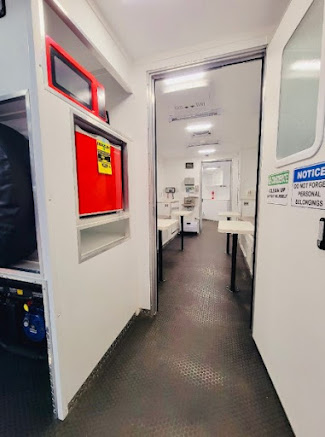
Inside the trailer, equipment is
arranged using shelves, racks, and compartments. This organised setup helps
teams:
- Find tools quickly during emergencies
- Prevent damage to expensive equipment
- Maintain gear in good condition
When equipment is easy to access
and well-maintained, operations become smoother and more efficient.
Enhancing Safety During Underwater Missions
Safety is one of the biggest
concerns during water rescue operations. Divers face many risks, including cold
temperatures, hidden debris, and limited visibility. A public safety dive
trailer helps reduce these risks by keeping safety equipment ready at all
times.
Important safety resources stored
in the trailer include:
- Emergency oxygen kits
- Backup air supply systems
- First aid equipment
- Protective diving suits
Having these tools close to the
operation site allows teams to respond quickly if a problem occurs. This
improves the overall safety of both divers and victims.
Improving Team Coordination and Communication
Public safety missions often
involve multiple teams working together. These may include fire departments,
police units, and rescue teams. A public safety dive trailer acts as a central
point where all teams can coordinate their efforts.
From this location, team leaders
can:
- Share updates about the situation
- Assign roles to different members
- Monitor progress during the operation
Clear communication helps avoid
confusion and ensures that all teams work towards the same goal.
Mobility Across Different Environments
Water-related emergencies can
occur in many different locations, including urban areas, rural regions, and
remote sites. A public safety dive trailer provides the flexibility needed to
operate in all these environments.
Because it is mobile, the trailer
can be transported easily to any location. This allows teams to bring all
necessary equipment directly to the scene, even if there are no nearby
facilities.
This mobility is especially
useful during natural disasters such as floods, where quick movement and
adaptability are required.
Supporting Training and Preparedness
Preparedness is key to handling
emergencies effectively. Public safety teams regularly train to improve their
skills and stay ready for real situations. A public safety dive trailer plays
an important role in these training activities.
Teams can use the trailer to
practise:
- Equipment setup and handling
- Underwater search techniques
- Emergency response procedures
Training with real equipment
helps teams build confidence and perform better during actual missions.
Final Words
Mobile dive support units are
essential for modern public safety operations. A public safety dive trailer
provides a complete solution by combining equipment storage, mobility, and
operational support. It helps teams respond faster, work more safely, and
coordinate better during water emergencies. With its many benefits, it has
become a valuable tool for improving the effectiveness of public safety
missions in challenging environments.
FAQs
1. What is a public safety dive trailer used for?
A public safety dive trailer is used to transport and organise diving
equipment, safety tools, and rescue gear for underwater emergency response and
public safety missions.
2. How does a public safety dive trailer improve
emergency response?
It reduces response time by keeping all equipment in one place, allowing teams
to reach the scene quickly and begin operations without delays.
3. What equipment is usually found in a public safety
dive trailer?
It typically includes diving suits, air tanks, underwater lights, communication
devices, safety kits, and specialised tools for search and rescue operations.
4. Why is safety important in water rescue missions?
Water environments are risky, with low visibility and strong currents. Proper
safety equipment helps protect divers and ensures successful rescue operations.
5. Can public safety dive trailers be used in remote
areas?
Yes. These trailers are mobile and can be transported easily, allowing teams to
carry essential equipment to remote or hard-to-reach locations.


Comments
Post a Comment