Maximizing Emergency Preparedness with a Dive Rescue Trailer
In emergency water operations,
preparation and organization can mean the difference between success and delay.
Dive teams must transport specialized equipment safely and deploy it quickly in
unpredictable environments. A purpose-built dive rescue trailer provides a centralized, mobile solution that
enhances readiness, efficiency, and overall operational performance.
Unlike standard utility trailers,
a dive rescue trailer is specifically engineered to support water rescue and
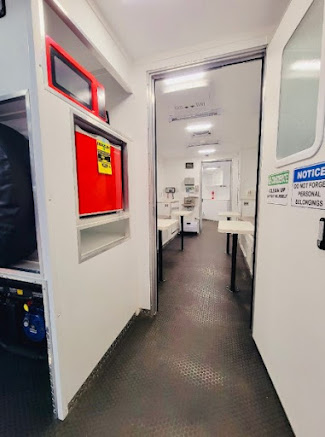
recovery missions. It is designed with secure storage compartments, reinforced
interiors, and custom layouts to accommodate sensitive and heavy equipment.
This level of organization ensures that critical gear is always accessible when
needed most.
Streamlined Equipment Management
Water rescue teams rely on a wide
range of equipment, including scuba tanks, regulators, dry suits, helmets,
sonar devices, ropes, medical supplies, and communication systems. Managing all
these tools can be challenging without a structured storage solution.
A well-designed dive rescue trailer features tank racks, adjustable
shelving, slide-out trays, and secure mounting systems. These features prevent
equipment from shifting during transport and make it easy to inventory supplies
before and after missions. Clear organization also reduces setup time at
emergency scenes, allowing divers to focus entirely on the task at hand.

Built for Tough Conditions
Rescue operations often take
place in severe weather conditions, flooded areas, or rugged terrain. A
high-quality dive rescue trailer is constructed with
durable materials to withstand constant travel and environmental stress.
Weather-resistant exteriors, non-slip flooring, and reinforced doors ensure
long-term durability.
Many trailers also include
advanced features such as onboard generators, LED lighting systems,
ventilation, and climate control. These additions help protect both personnel
and equipment, particularly during extended operations or nighttime
deployments.
Customization for Operational Efficiency
Each rescue team has unique needs
depending on its mission focus. Some teams handle underwater search and
recovery, while others respond to natural disasters or public safety incidents.
A dive rescue trailer can be customized with
specific compartments, decontamination areas, charging stations, and even
command center workspaces.
Customization ensures that the
trailer supports efficient workflows and aligns with departmental protocols.
Proper layout planning enhances safety and reduces confusion during
high-pressure situations.
Enhancing Response Time and Safety
Time is critical during water
emergencies. With a fully equipped dive rescue trailer, teams can
mobilize quickly without gathering equipment from multiple locations. Having
everything in one organized unit shortens preparation time and improves
coordination among team members.
Additionally, secure storage
reduces equipment damage and ensures divers have reliable gear during
operations. This level of preparedness enhances both team safety and mission
success.
Frequently Asked Questions (FAQs)
1. What makes a dive rescue
trailer different from a regular trailer?
A dive rescue trailer is specifically customized for storing and transporting
water rescue equipment safely and efficiently.
2. How does a dive rescue trailer
improve response time?
It keeps all essential equipment organized and ready for deployment,
eliminating delays caused by searching for gear.
3. Can a dive rescue trailer
include power and lighting systems?
Yes, many trailers are equipped with generators, battery charging stations, and
interior/exterior lighting for enhanced functionality.
4. Is investing in a dive rescue
trailer cost-effective?
Yes, it protects expensive equipment, improves operational efficiency, and
supports long-term emergency readiness.


Comments
Post a Comment